PRODUCTS SEARCH
Centrifugal pumps are among the most widely used fluid handling equipment in modern industries. From water supply systems to chemical processing plants, the centrifugal pump plays a vital role in transferring liquids efficiently and reliably. But with so many designs available, what are the common examples of centrifugal pumps, and how do you choose the right one?
This article explores the working principle, main types, and practical applications of centrifugal pumps, helping you better understand their role in industrial systems.
All centrifugal pumps operate based on the same fundamental principle. A rotating impeller converts mechanical energy from a motor into kinetic energy, which is then transformed into pressure energy. This process allows the pump to move fluids through pipelines while increasing pressure.
In simple terms:
Mechanical Energy → Kinetic Energy → Pressure Energy
Although the working principle is consistent, different pump designs are developed to meet various operational needs such as flow rate, pressure (head), and fluid characteristics.
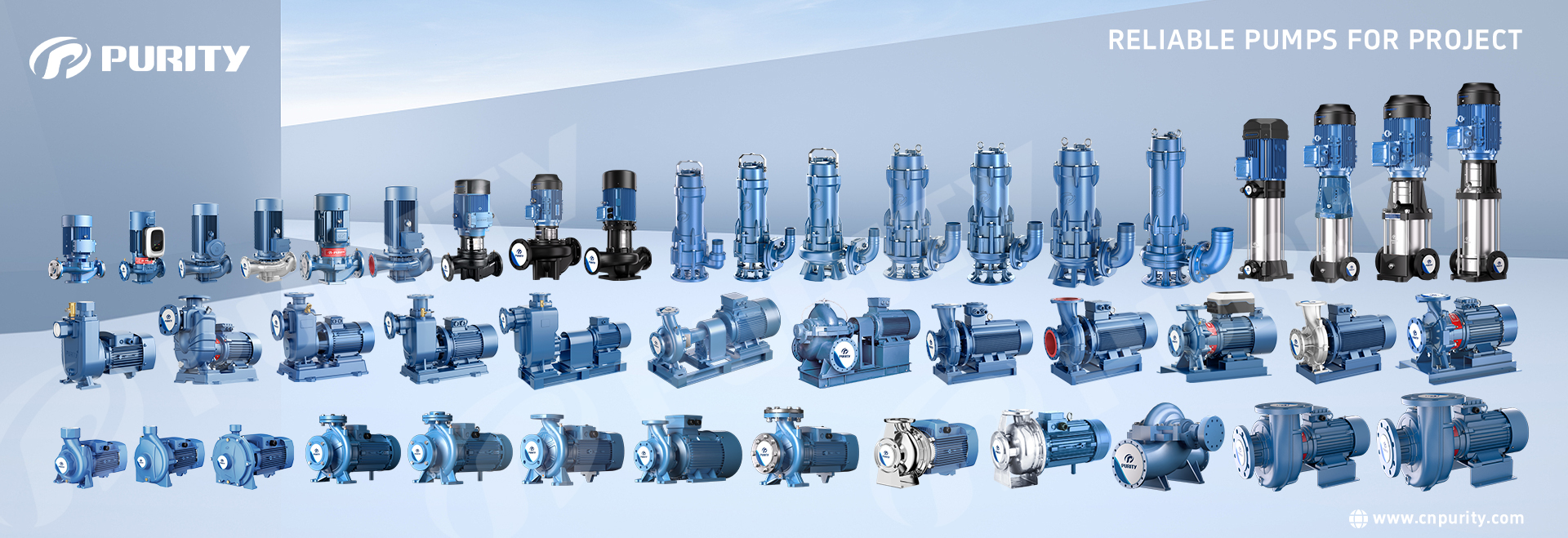
A vertical centrifugal pump is designed with a vertical shaft, making it ideal for installations where floor space is limited. These pumps are commonly used in:
(1)Cooling water circulation systems
(2)Fire protection systems
(3)Sump and drainage applications
Because the motor is positioned above the fluid, vertical pumps are particularly suitable for flood-prone environments. However, maintenance can be more complex compared to horizontal designs.
A multistage centrifugal pump contains multiple impellers arranged in series. Each stage increases the pressure, making this pump ideal for high-head applications.
Typical uses include:
(1)Boiler feed systems
(2)High-rise building water supply
(3)Industrial high-pressure processes
Compared to single-stage pumps, multistage pumps deliver higher pressure with improved efficiency in demanding conditions.
A split case centrifugal pump features a horizontally split casing, allowing easy access to internal components for maintenance. These pumps are widely used in large-scale applications requiring high flow rates.
Common applications include:
(1)Municipal water supply systems
(2)Irrigation projects
(3)Power plant circulation systems
Their robust design and high efficiency make them a popular choice among industrial centrifugal pumps.
Horizontal pumps are the most commonly used industrial centrifugal pumps due to their ease of installation and maintenance. They are suitable for a wide range of applications, including:
(1)Water transfer and distribution
(2)Chemical processing
(3)Oil and gas operations
(3)HVAC systems
These pumps offer stable performance and flexible configurations, making them the backbone of many industrial systems.
In addition to the main types above, there are several specialized designs:
(1)Self-priming pumps – ideal for intermittent operations and wastewater handling
(2)Submersible pumps – operate fully submerged, commonly used in sewage and drainage
(3)Magnetic drive pumps – leak-free design for hazardous or corrosive fluids
Each type is engineered to handle specific working conditions, ensuring safety and efficiency.
Choosing the right centrifugal pump is not about finding the “best” type, but the most suitable one for your application. Important factors include:
(1)Flow rate and required head
(2)Fluid properties (viscosity, temperature, corrosiveness)
(3)Installation environment and space limitations
(4)Maintenance requirements and operating costs
For example:
(1)High pressure → multistage centrifugal pump
(2)Large flow → axial or single-stage pump
(3)Hazardous fluids → magnetic drive pump
(4)Continuous heavy-duty operation → split case or API-type pump
Centrifugal pumps are essential across multiple industries, such as:
(1)Water supply and distribution
(2)Fire protection systems
(3)Wastewater treatment
(4)Oil and gas industry
(5)Chemical processing
(6)Power generation and cooling systems
(7)Agriculture and irrigation
(8)Food and pharmaceutical industries
Their versatility makes them a fundamental component in modern fluid systems.
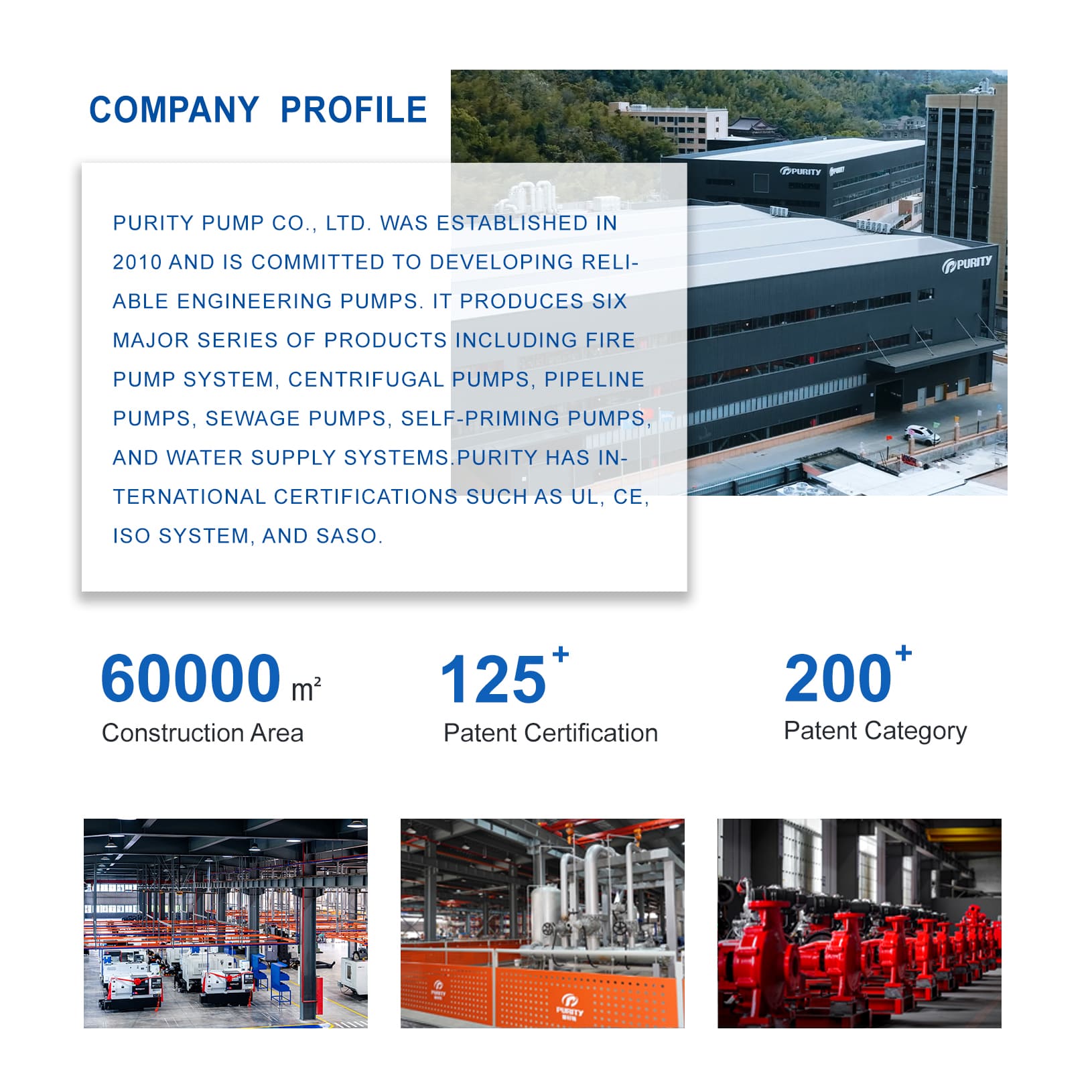
Purity offers a comprehensive range of centrifugal pump solutions, including multistage pumps, submersible pumps, vertical pumps, and split case pumps.
(1)16+ years of manufacturing experience
(2)60,000 m² production facility with dedicated R&D team
(3)130+ certifications including CE, ISO, CQC, and SASO
We are currently looking for global distributors. Contact us today to find the perfect centrifugal pump solution for your needs.
Centrifugal pumps come in many forms, including vertical centrifugal pumps, multistage centrifugal pumps, split case centrifugal pumps, and various industrial centrifugal pumps. While their working principle remains the same, each type is designed to meet specific operational requirements.
The key to optimal performance lies in proper selection and maintenance. By understanding pump types and matching them to real working conditions, you can improve efficiency, reduce energy consumption, and extend equipment lifespan.