PRODUCTS SEARCH
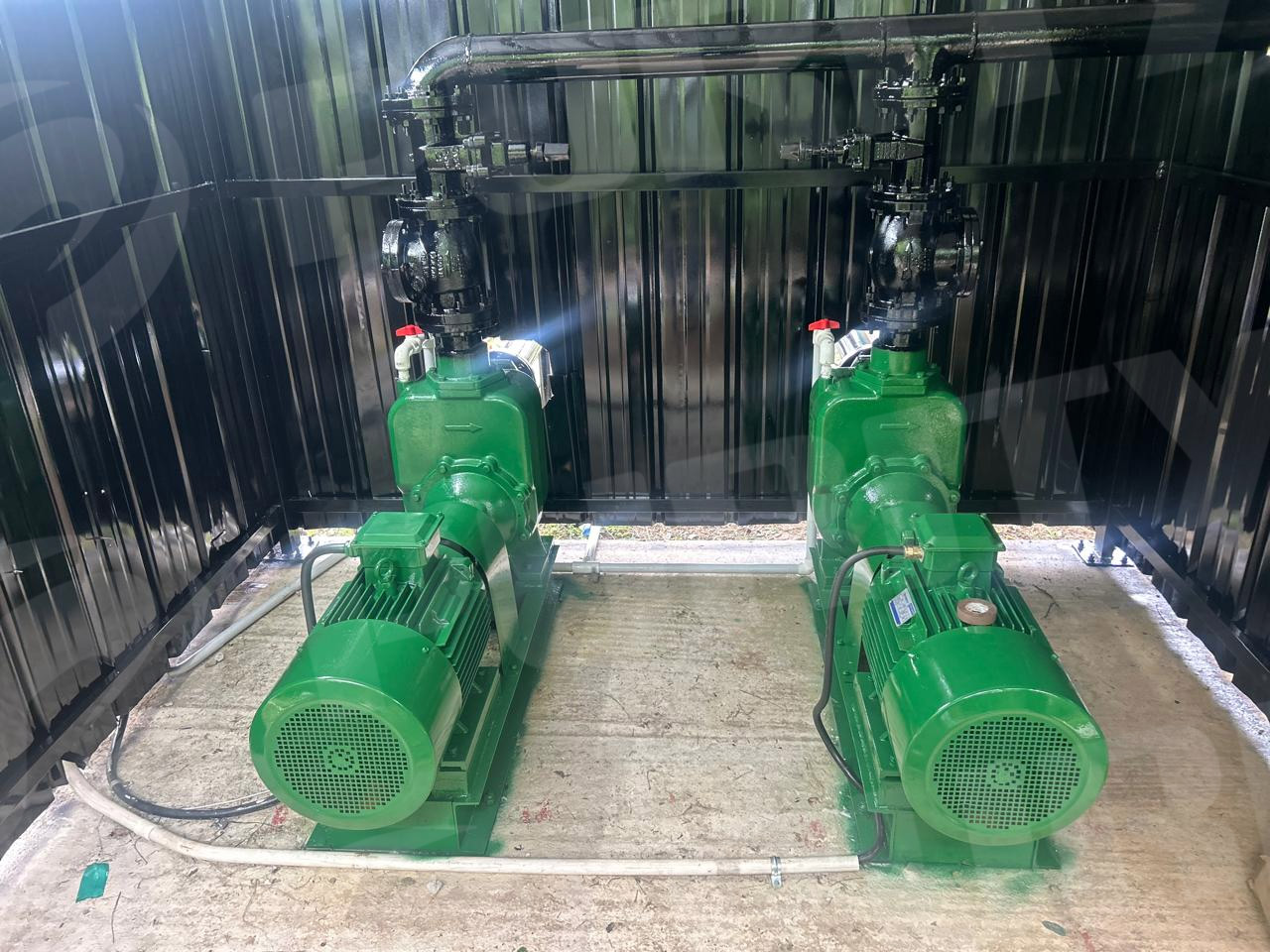
Picture|Purity PZWM Self-Priming Centrifugal Pump Project Drawing
A self priming centrifugal pump is a specially engineered pump designed to automatically remove air from the suction line and begin pumping liquid without manual priming. Unlike standard centrifugal pumps, which must be fully filled with liquid before startup, a self-priming design can operate even when air is present in the pipeline. This makes it highly suitable for wastewater systems, industrial drainage, and applications with unstable inlet conditions.
At Purity Pump, self-priming centrifugal pumps are widely developed and optimized for industrial users who require stable performance, easy maintenance, and long service life in demanding environments.
A self priming centrifugal pump is a pump that uses a built-in priming chamber to separate air from liquid during startup. After shutdown, a small amount of liquid remains inside the pump casing. This retained liquid is essential for the next operation cycle.
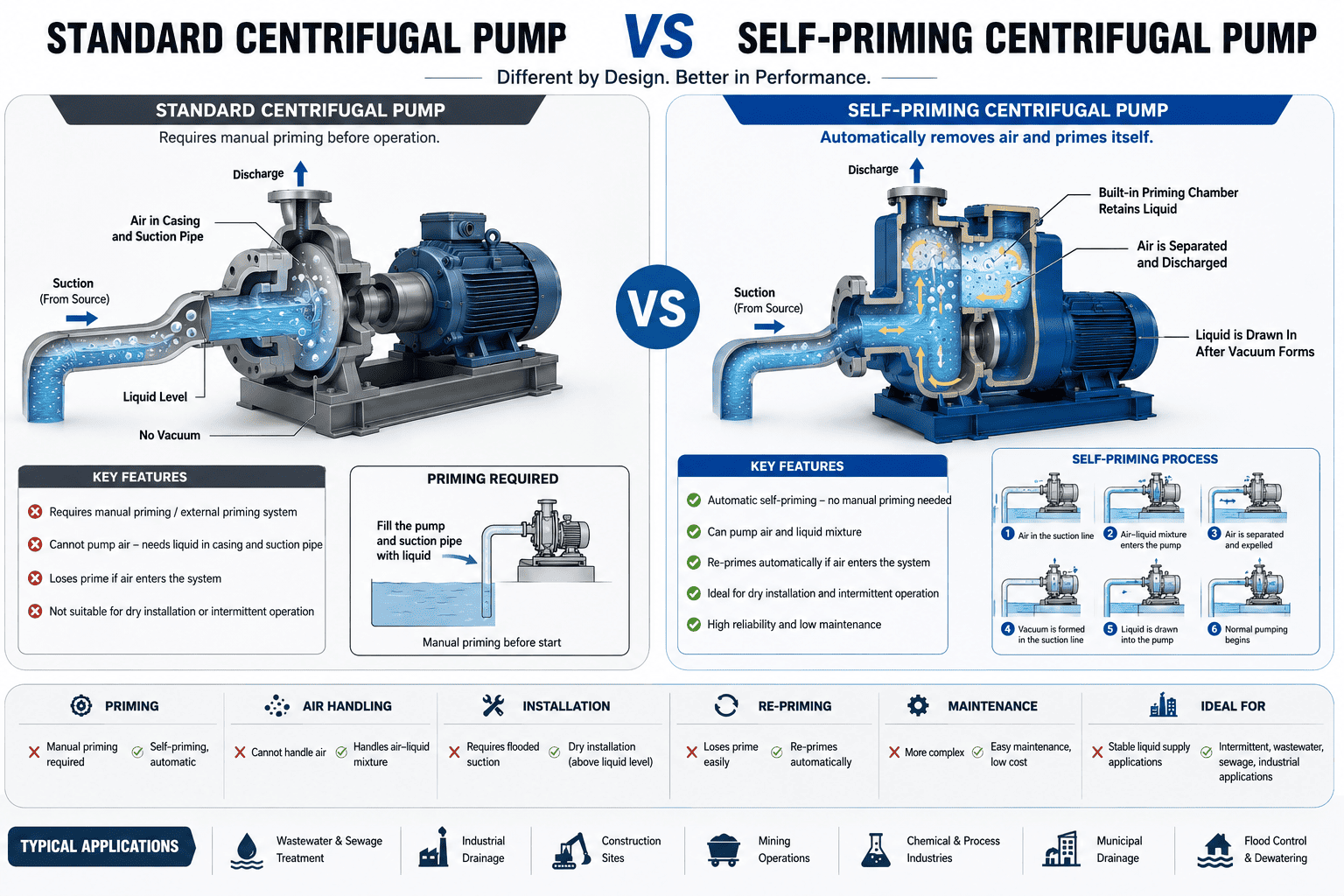
When the pump starts again, the impeller mixes this liquid with air from the suction line. The air is gradually expelled while liquid continues to circulate inside the pump. Once the air is removed, the pump transitions into normal centrifugal operation and maintains continuous fluid transfer.
This internal mechanism is what defines a centrifugal pump self priming system, eliminating the need for external priming devices.
The operating principle of a centrifugal pump priming system can be explained in several stages:
1. The pump casing retains a small volume of liquid after shutdown.
2. During startup, the impeller rotates and mixes air with this liquid.
3. The air–liquid mixture circulates inside the pump chamber.
4. Air is gradually separated and discharged through the outlet.
5. A vacuum is created in the suction line.
6. Liquid is then continuously drawn into the pump, enabling stable operation.
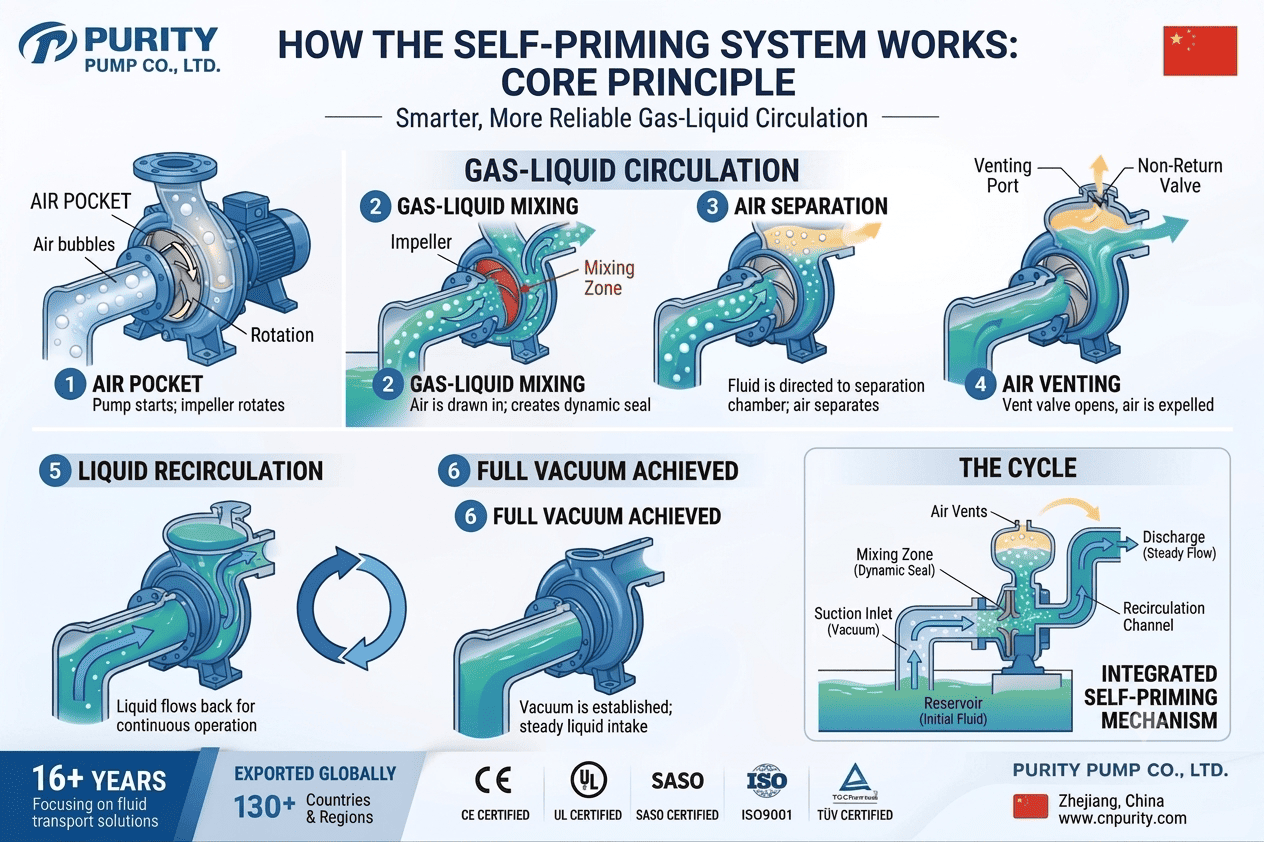
Purity Pump’s self-priming centrifugal pump designs optimize this internal flow path to improve priming efficiency and reduce startup time, especially in wastewater and industrial applications.
A common question is: are centrifugal pumps self priming?
The answer is generally no. Standard centrifugal pumps are not self-priming and must be manually primed before operation. If air enters the suction line, they may lose suction and fail to pump.
Only specially designed self priming centrifugal pumps, such as those engineered by Purity Pump, are capable of automatically removing air and restarting operation without external assistance.
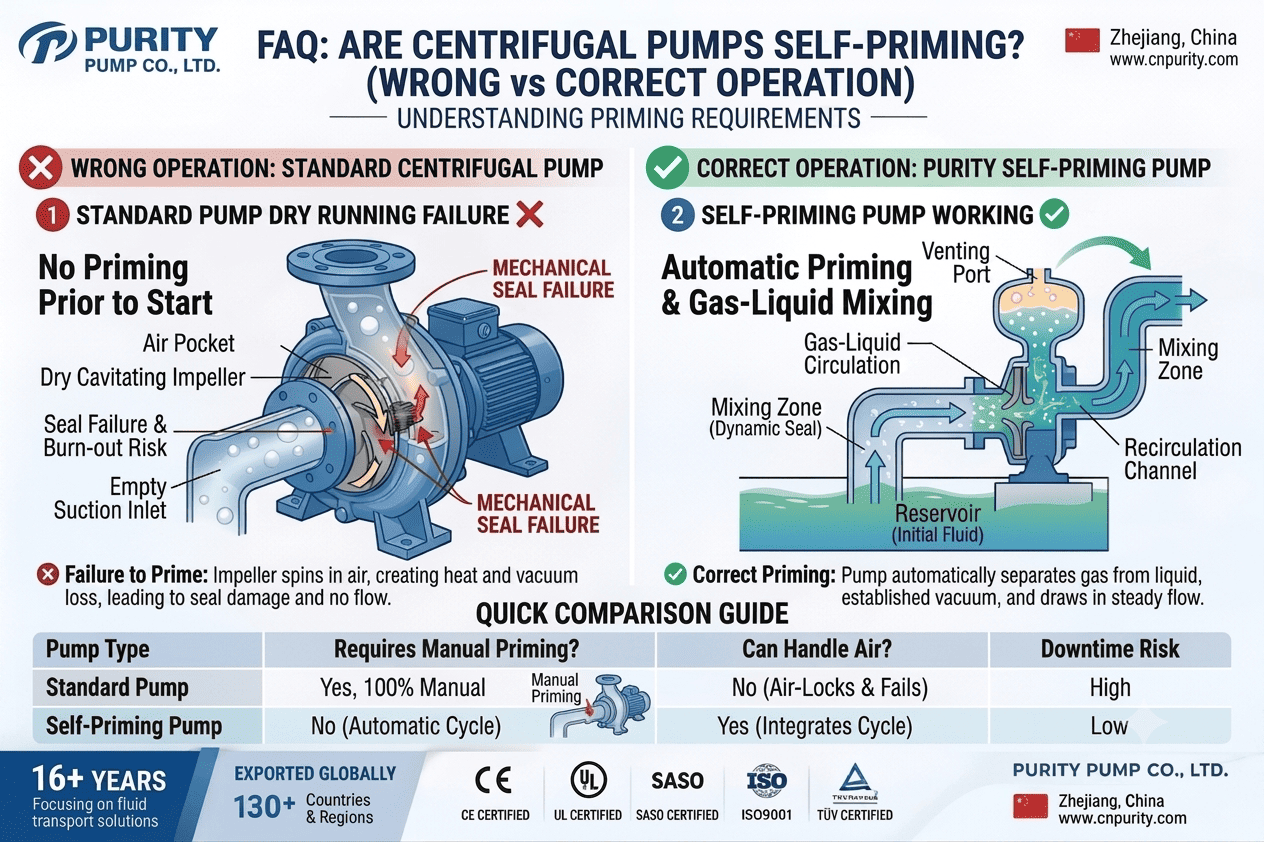
Picture|Wrong vs Correct Operation
The increasing demand for self priming centrifugal pumps comes from their clear operational advantages:
1. No manual priming required, reducing operator workload
2. Automatic re-priming capability after air enters the system
3. Flexible installation, including dry and elevated mounting positions
4. Lower maintenance requirements compared with submersible or vertical pump systems
5. Improved safety, since maintenance can be performed above ground level
At Purity Pump, these advantages are further enhanced through optimized hydraulic design and robust industrial construction, ensuring stable operation even under harsh working conditions.
Self priming centrifugal pumps are widely used across multiple industries, including:
1. Wastewater and sewage treatment systems
2. Steel plants and mining operations
3. Chemical and industrial processing facilities
4. Food and beverage production
5. Fuel and liquid transfer systems
6. Municipal drainage and stormwater management
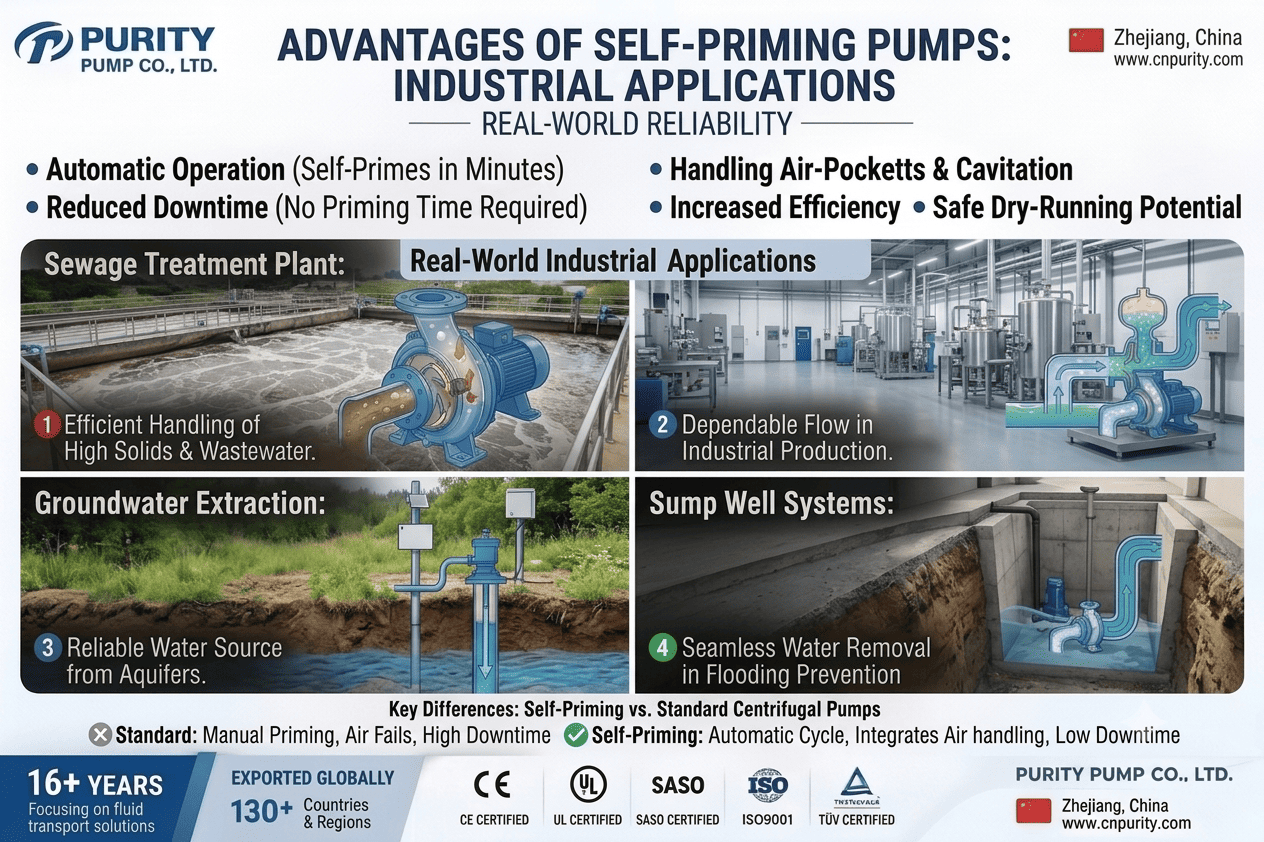
The centrifugal pump priming system is the key innovation that enables self-priming functionality. By using an internal liquid reservoir and controlled air–liquid separation, the pump can continuously evacuate air from the suction line until full hydraulic operation is achieved.
Compared with conventional pumping systems, this design reduces downtime, eliminates the need for external vacuum assistance, and significantly improves system reliability.
Purity Pump focuses on enhancing this priming efficiency through advanced CFD hydraulic simulation and precision manufacturing, ensuring consistent performance across different working conditions.
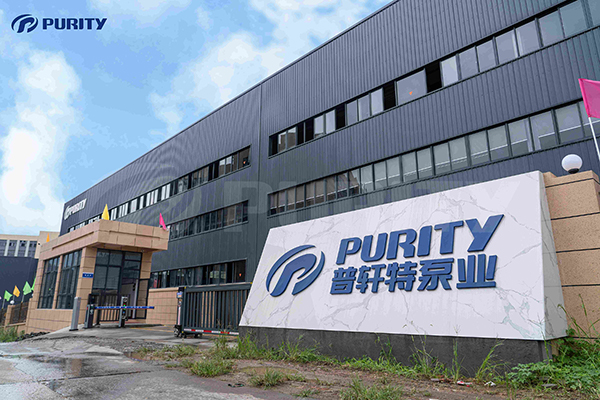
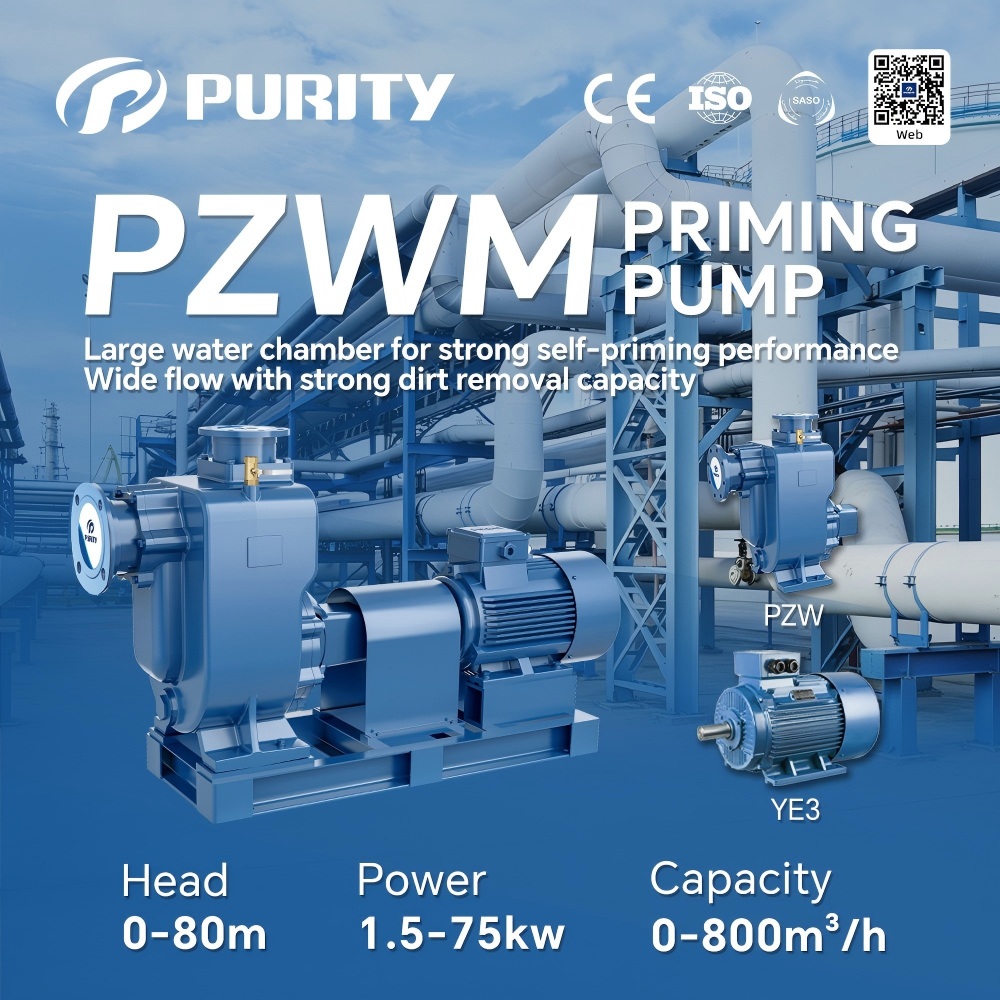
Purity Pump develops self-priming centrifugal pump PZWM with a strong focus on efficiency, safety, and durability. Key features include:
1. CFD-optimized hydraulic design for improved priming and efficiency
2. Protective structure design to prevent clogging from fibrous or solid materials
3. High protection rating (IP66) for enhanced dust and water resistance
4. Industrial-grade construction for long service life in demanding environments
A self priming centrifugal pump is an advanced pumping solution designed to overcome one of the main limitations of traditional centrifugal pumps—the inability to handle air in the suction line. Through an integrated priming system, it can automatically remove air, create vacuum, and maintain continuous operation.
With optimized engineering from manufacturers like Purity Pump, these pumps offer higher efficiency, easier installation, and improved reliability in complex industrial environments.
In modern fluid handling systems, choosing a reliable centrifugal pump self priming solution is not just about performance—it is about ensuring long-term operational stability and reduced maintenance cost.