PRODUCTS SEARCH
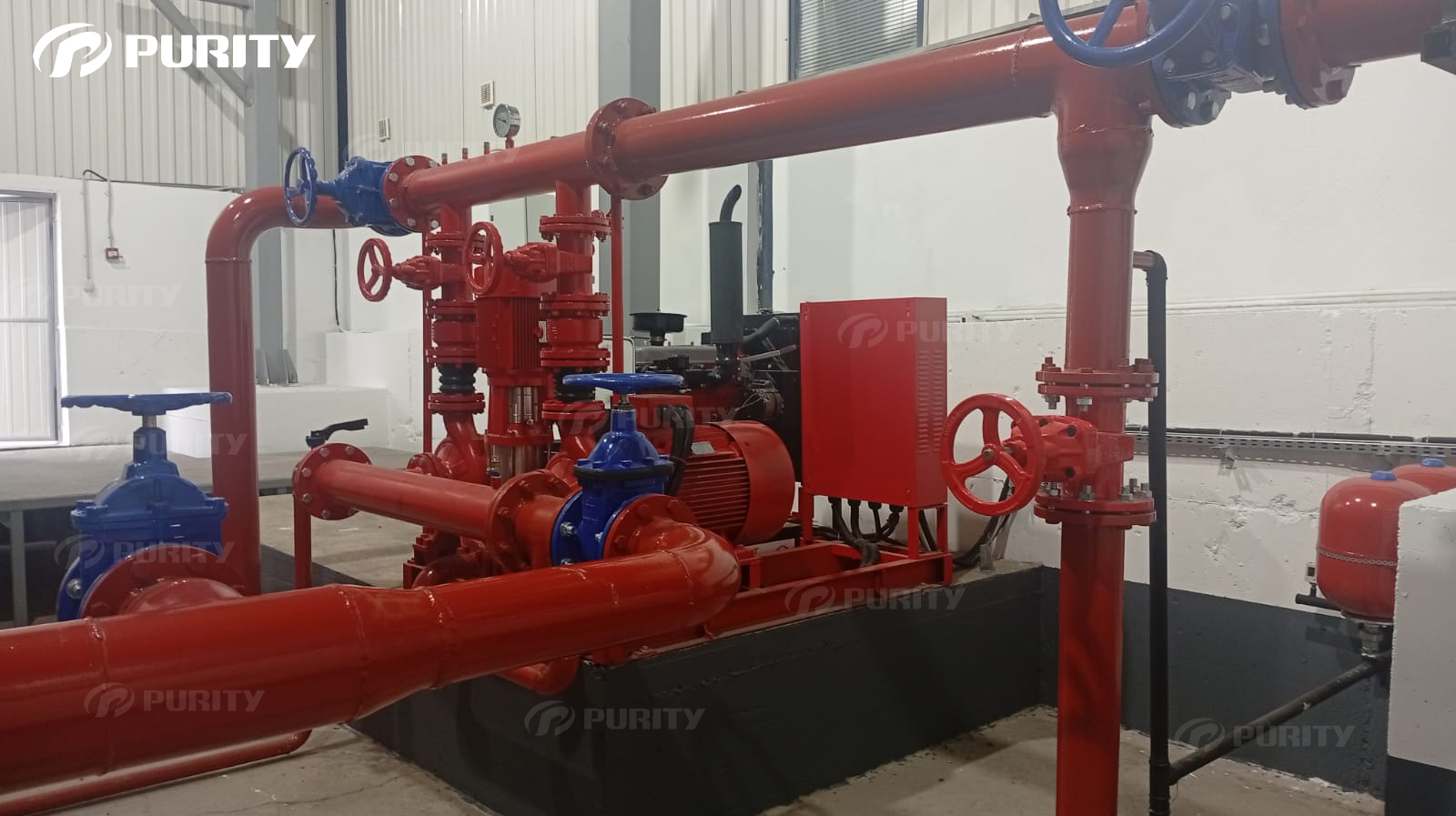
Picture|Purity Fire Pump System PEDJ Project Drawing
A fire pump is an essential part of many building fire protection systems. When the available water supply cannot provide sufficient pressure or flow, a fire water pump helps deliver water to sprinkler systems, fire hydrants, standpipes, and other fire protection equipment.
However, installing a fire pump is more than simply placing a pump in a pump room. A complete fire pump system normally includes the pump, driver, controller, suction and discharge piping, valves, pressure monitoring equipment, and often a jockey pump.
From equipment selection and pump room preparation to piping installation, alignment, testing, and maintenance, every step can affect system reliability. This guide explains the basic process of installing a fire pump and the key points engineers, contractors, and building owners should consider.
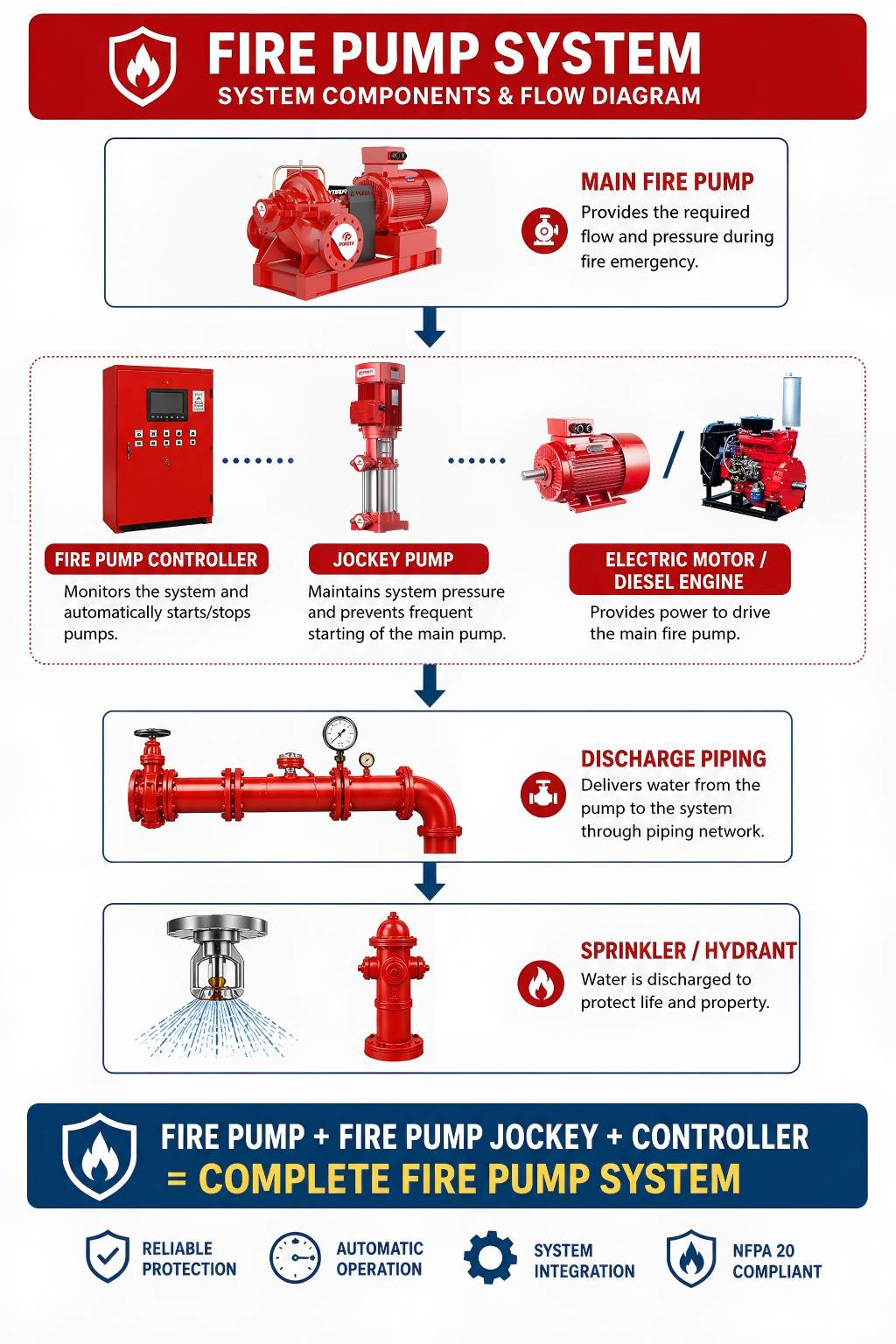
Picture|Fire Pump System Component Diagram
A fire pump increases water pressure and flow so that the fire protection system can receive the required water supply during a fire emergency.
A typical fire pump system may include:
1. Fire pump
2.Electric motor or diesel engine
3.Fire pump controller
4.Suction and discharge piping
5.Isolation and check valves
6.Pressure monitoring equipment
7.Fire pump jockey pump
8.Other required control and auxiliary equipment
The fire pump jockey pump has a different function from the main pump. It maintains system pressure during normal conditions and compensates for small pressure losses, helping prevent unnecessary starting of the main fire pump.
For this reason, fire protection should be considered as a complete system rather than as an individual pump.
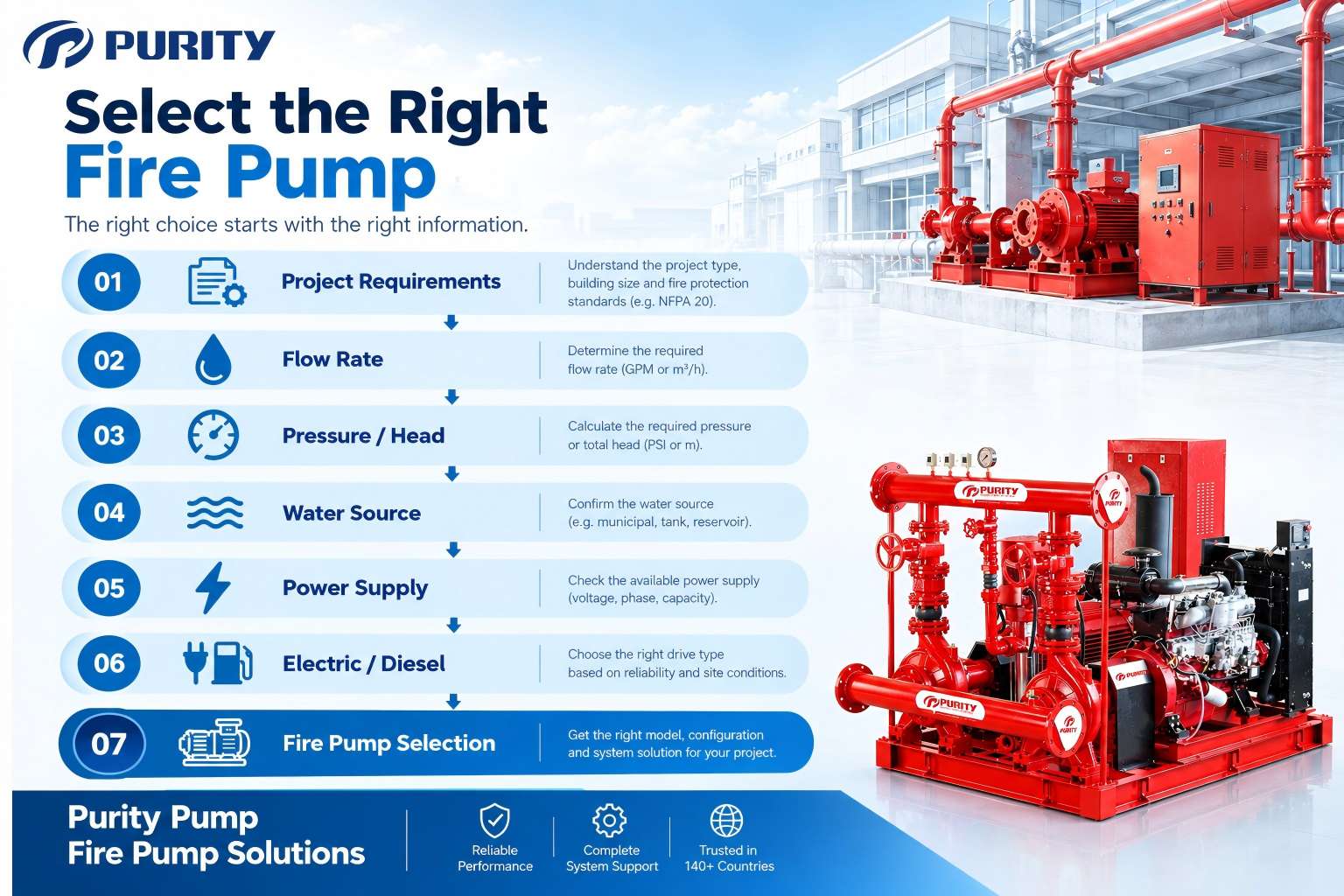
The first step is to determine the required flow and pressure.
Fire pump selection should consider:
1.Required flow rate
2.Required pressure or head
3.Building height
4.Sprinkler and hydrant requirements
5.Pipe length and pressure losses
6.Available water supply
7.Suction conditions
8.Electrical power availability
9.Local fire protection requirements
Choosing a pump only according to building size or motor power can result in an improperly designed system.
Depending on the project, an electric fire pump or diesel fire pump may be selected. Electric pumps are commonly used where a suitable power supply is available, while diesel-driven pumps can provide an alternative or standby source of power.
When working with fire pump manufacturers, project requirements such as flow, pressure, water source, power supply, and installation conditions should be provided before selecting the final pump configuration.
The pump room should be designed around the entire system, not just the pump dimensions.
There should be sufficient space for:
1.Pump and driver installation
2.Pipe and valve operation
3.Inspection and maintenance
4.Removal of major components
5.Equipment transportation
The room should also provide appropriate ventilation, drainage, temperature control, and fire separation according to applicable local requirements.
For diesel fire pumps, additional considerations include fresh-air supply, engine cooling, exhaust discharge, fuel storage, batteries, and protection against low temperatures.
Good pump room planning makes installation and future maintenance much easier.
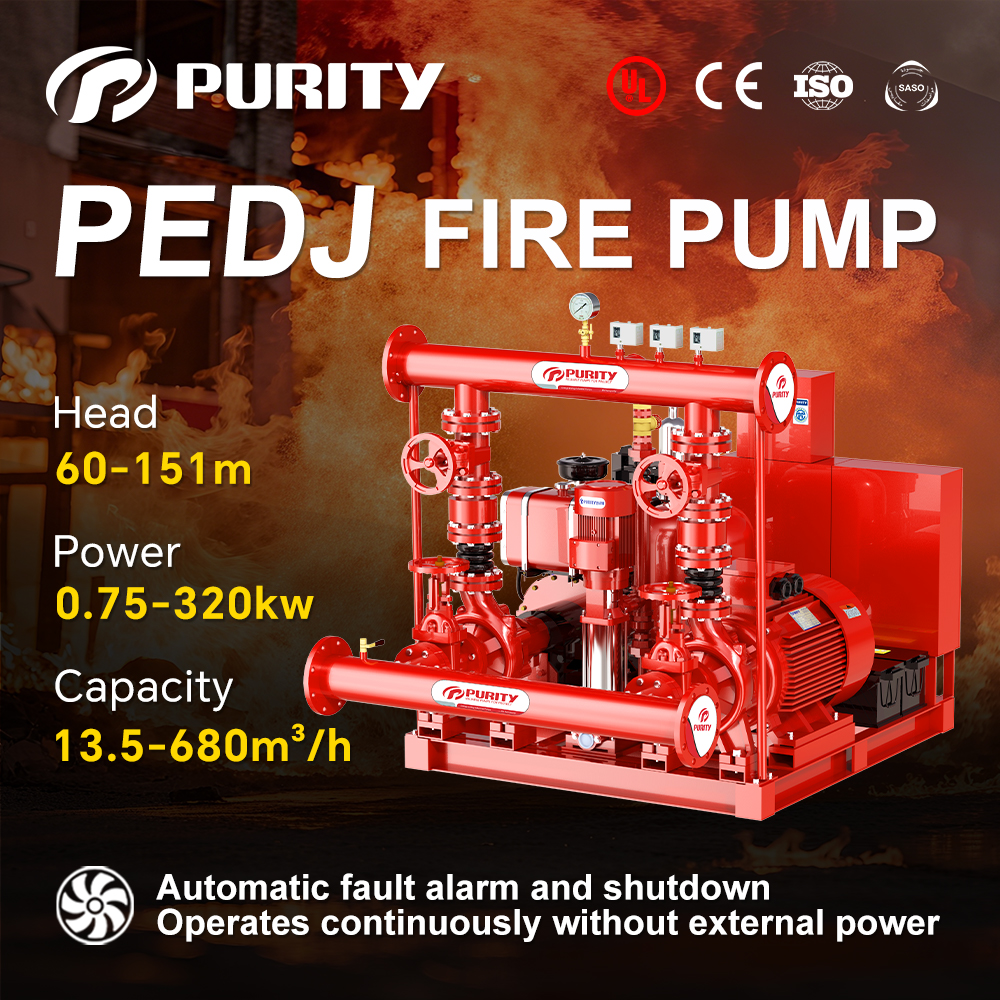
Picture|Purity PEDJ Diesel Fire Pump System
After preparing the foundation, check its dimensions, strength, level, anchor locations, and equipment access route.
Place the fire pump assembly on the foundation and secure it according to the manufacturer's installation instructions.
A typical assembly may consist of:
Fire Pump → Electric Motor or Diesel Engine → Controller
The pump suction and discharge connections should face the correct direction so that the piping can be installed according to the system design.
For example, Purity Pump provides electric and diesel fire pump configurations for different flow and pressure requirements. Its PEDJ diesel fire pump set is designed for applications requiring diesel-driven fire water supply, with the final model and configuration selected according to project conditions.
Correct piping installation is critical to fire pump performance.
The basic flow path is:
Water Source → Suction Piping → Fire Pump → Discharge Piping → Fire Protection System
The suction pipe should be designed to provide suitable water flow to the pump while minimizing hydraulic losses and unfavorable flow conditions.
During installation:
1.Avoid unnecessary pipe bends near the pump.
2.Prevent air pockets in the suction piping.
3.Use proper pipe supports.
4.Do not allow pipe weight to rest on the pump.
5.Check pipe diameter against the approved design.
6.Install valves in the correct orientation.
After piping is connected, the pump and piping should be checked again to ensure that external pipe forces have not affected equipment alignment.
The fire pump controller connects the pump to the electrical and control system and manages starting and monitoring functions.
For diesel systems, installation also involves the engine controller, starting batteries, fuel system, exhaust system, and related alarm signals.
The fire pump jockey pump is normally installed as part of the pressure-maintenance arrangement. It helps maintain system pressure when there is a small pressure drop without requiring the main fire pump to operate.
Valves, check valves, pressure gauges, sensors, and other auxiliary equipment should be positioned where they can be inspected and maintained.
For horizontal fire pump assemblies, proper shaft alignment between the pump and motor or diesel engine is essential.
Incorrect alignment can contribute to:
1.Excessive vibration
2.Coupling wear
3.Increased bearing loads
4.Mechanical seal problems
5.Reduced equipment service life
Alignment should therefore be checked during installation and again after piping connections and equipment adjustments are completed.
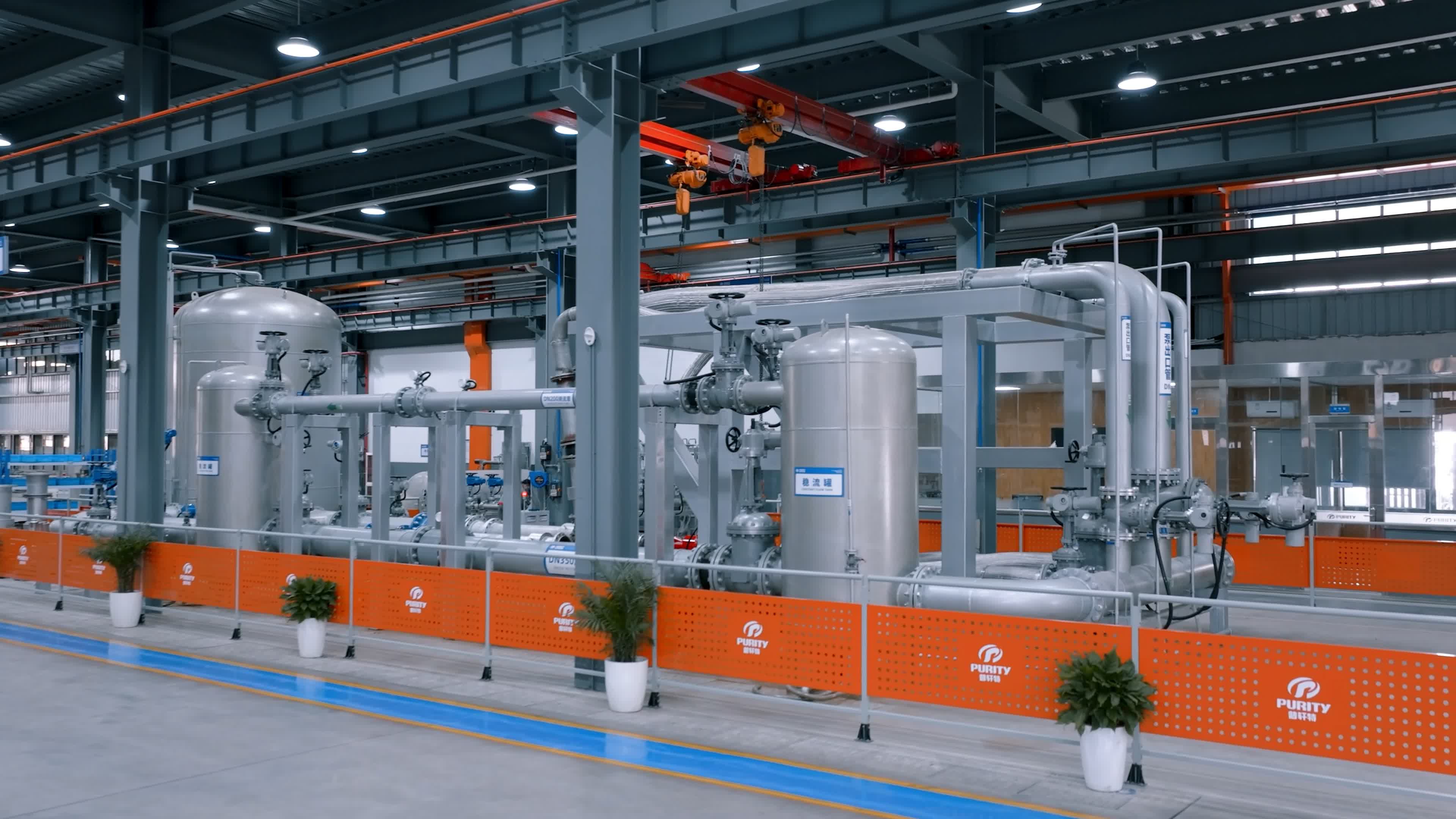
Testing may include:
Pressure testing: Check piping and connections for leakage or abnormal pressure conditions.
Flow and pressure testing: Verify pump performance at relevant operating conditions and compare the results with the required design values.
Control testing: Confirm that the controller, pressure signals, automatic starting functions, and alarms operate correctly.
Diesel engine testing: Check engine starting, batteries, fuel supply, cooling, and exhaust systems.
All test results should be documented as part of the commissioning and acceptance process.
Several problems can reduce the reliability of a fire pump system:
1.Selecting a pump without considering actual flow and pressure requirements.
2.Providing insufficient pump room space for maintenance.
3.Using improperly sized or poorly arranged suction piping.
4.Allowing piping loads to act on the pump.
5.Failing to recheck pump and driver alignment.
6.Testing only pump startup without verifying flow, pressure, controls, and alarms.
Avoiding these issues requires coordination between the owner, engineer, contractor, pump supplier, and other fire protection professionals.
Fire pump installation requirements vary by country and project. International projects may reference standards such as NFPA 20, building codes, electrical requirements, and local authority requirements. The applicable requirements should always be confirmed with the project engineer and local Authority Having Jurisdiction (AHJ).
After commissioning, regular inspection and testing are also important. Maintenance should cover the pump, driver, controller, valves, piping, electrical system, and auxiliary equipment rather than focusing only on the pump itself.
Selecting suitable equipment is an important part of developing a reliable fire protection system. Purity Pump has more than 16 years of manufacturing and export experience and operates a 60,000 m² independent factory. The company provides electric and diesel fire pump solutions for different project requirements, with certifications including CE, ISO, and SASO, while selected pump heads have obtained UL certification.
Purity focuses on matching pump configuration with actual project requirements, including flow, pressure, water source, and power conditions.
If you are selecting a fire water pump for a commercial building, industrial facility, or other project, providing these technical requirements to the pump supplier can help determine the appropriate pump type and system configuration.
Purity Pump — Reliable Pumps. Professional Solutions.