PRODUCTS SEARCH
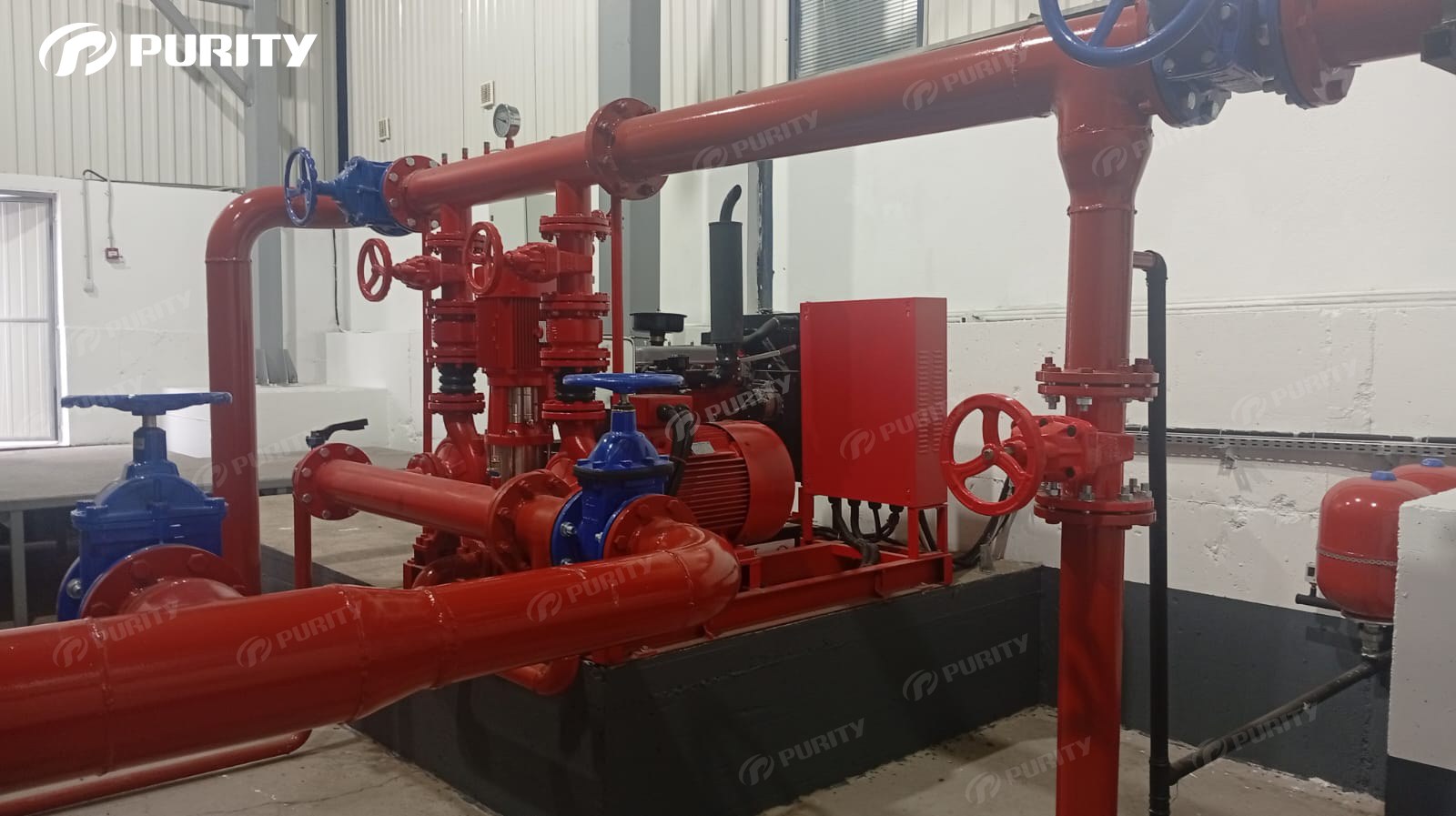
Picture|Fire Pump System-PEDJ
Fire protection pumps play an essential role in commercial buildings, industrial facilities, and public infrastructure. They provide the water flow and pressure required by sprinkler systems, fire hydrants, and other firefighting equipment when the existing water supply is insufficient.
Different applications require different pump designs. Understanding the main types of fire protection pumps can help engineers, contractors, and buyers select suitable equipment for their projects.
Centrifugal pumps are widely used in fire protection systems. They use a rotating impeller to transfer mechanical energy into hydraulic energy, increasing water pressure and delivering the required flow.
Depending on their structural design, common centrifugal fire pumps include the following types.
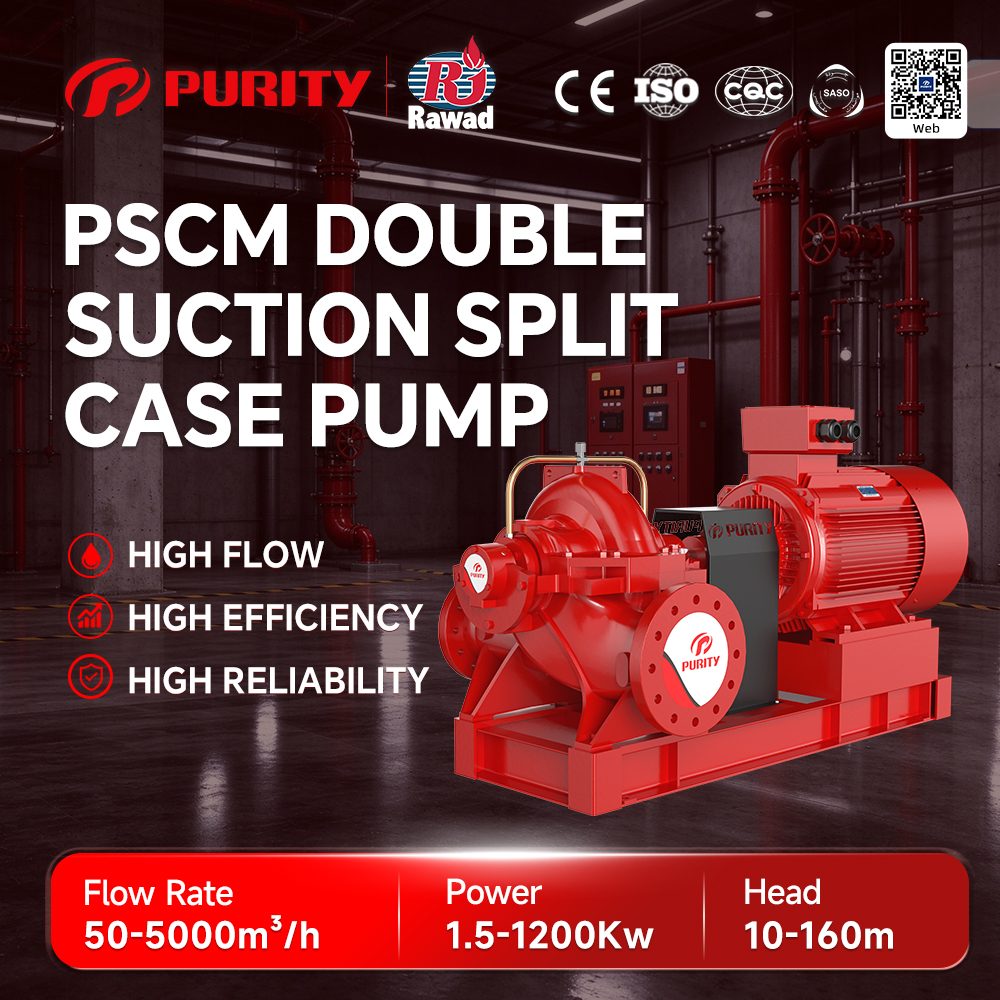
A horizontal split case fire pump features a horizontally split casing, allowing easy access to internal components such as the impeller, shaft, and bearings.
Its main advantage is convenient maintenance. The upper casing can usually be removed without disconnecting the main piping, making inspection and servicing easier.
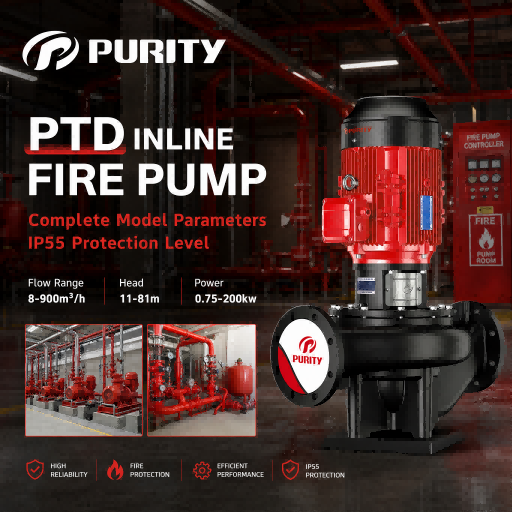
A vertical inline fire pump features a compact design, with its suction and discharge ports positioned along the same pipeline axis.
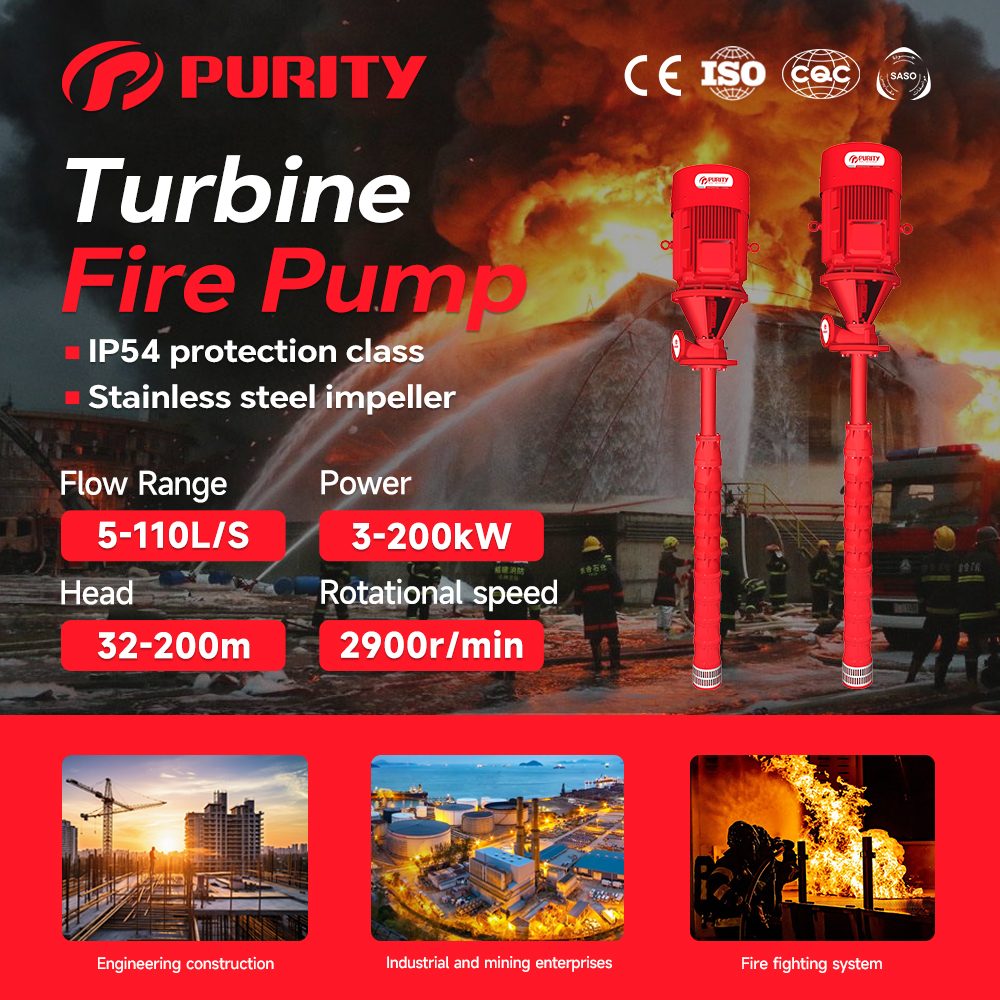
A vertical turbine fire pump is designed for applications where the water source is located below the pump installation level.
Its impellers are submerged in water and connected to a motor through a long shaft. This design allows the pump to draw water from underground tanks, deep wells, and other low-level water sources.
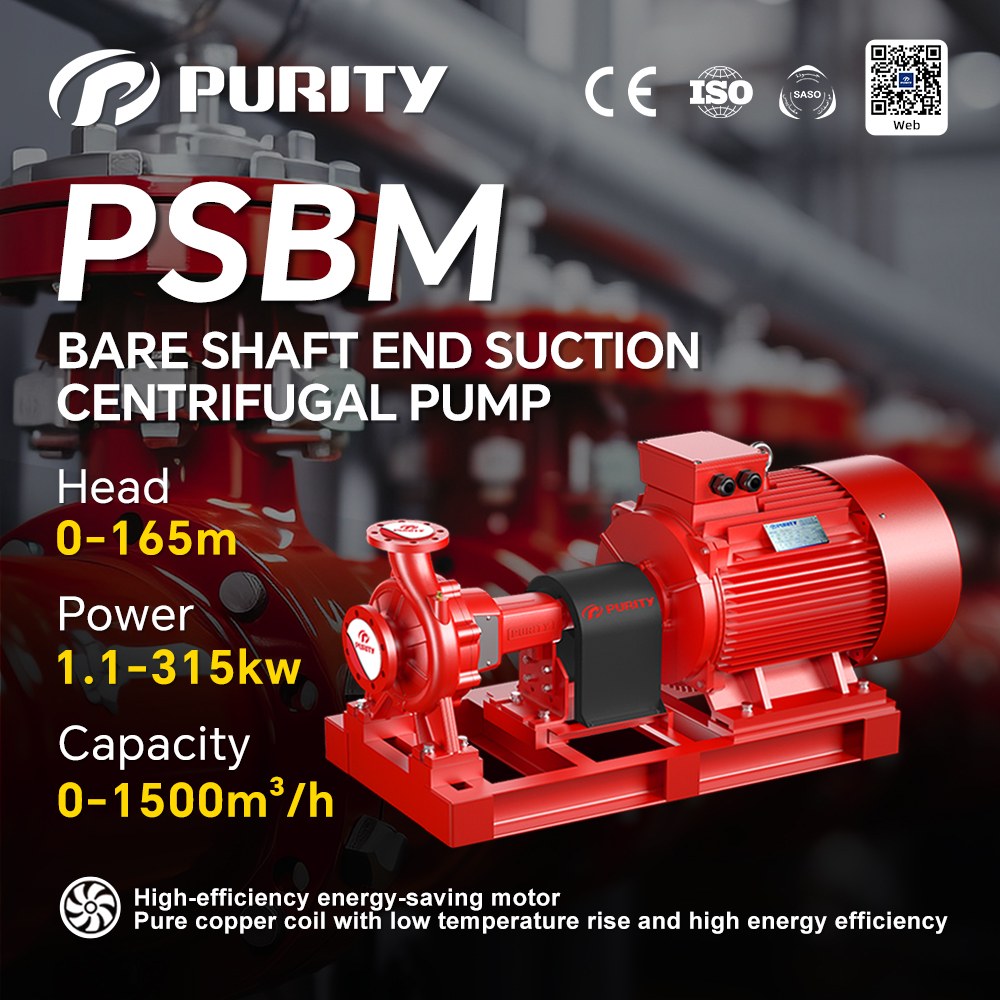
An end suction fire pump typically has a horizontal structure. Water enters axially through the suction inlet and exits through a radial discharge outlet.
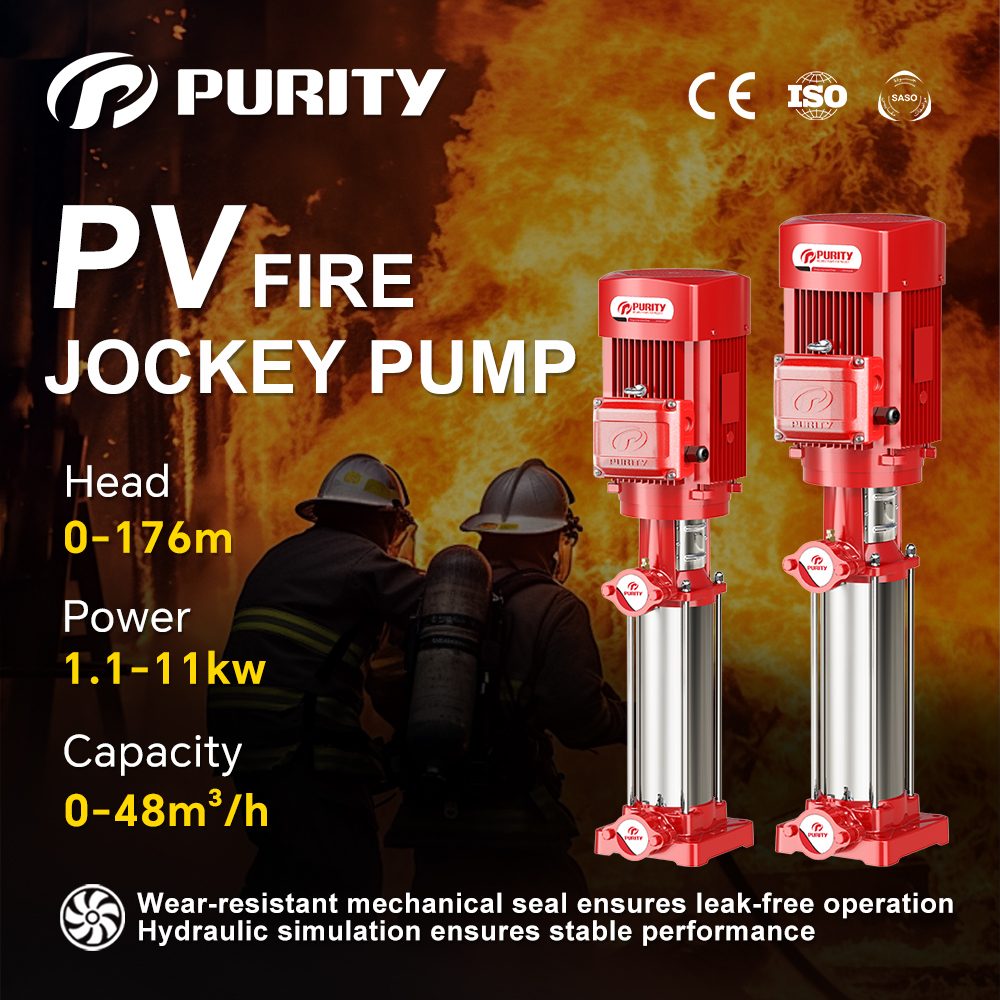
A fire jockey pump is an auxiliary pump used to maintain pressure in fire protection piping systems.
Small leaks and normal pressure fluctuations can gradually reduce pipeline pressure. The jockey pump automatically supplies a small amount of water to compensate for these losses.
By maintaining the preset pressure, it helps prevent the main fire pump from starting unnecessarily due to minor pressure drops.
Selecting suitable fire protection pumps requires more than comparing product specifications. Consider these key factors:
Flow Rate: Determine the water demand of the sprinkler system, fire hydrants, and other firefighting equipment.
Head and Pressure: Consider building height, pipeline resistance, elevation differences, and the pressure required at the system outlets.
Water Source: Identify whether water comes from a municipal supply, ground-level tank, underground reservoir, or well.
Installation Space: Choose a horizontal or vertical design according to the pump room layout.
Power Source: Select an electric motor or diesel engine based on project requirements and available power supply.
Proper selection helps ensure that the fire protection system can deliver the required water flow and pressure during an emergency.
Reliable fire protection depends not only on correct pump selection but also on product quality, manufacturing capabilities, and technical support.
With over 16 years of experience, Purity Pump provides a range of fire protection solutions, including horizontal split case, end suction, vertical turbine, and jockey pumps.
Purity has more than 130 certificates, patents, and certifications across its product range, including CE, ISO, SASO, and relevant UL certifications. Specific certifications vary by product and model.
Today, Purity serves customers in more than 140 countries and regions, providing professional pump solutions for different water supply and fire protection applications.
Purity also welcomes global distributors and agents interested in building long-term, mutually beneficial partnerships.
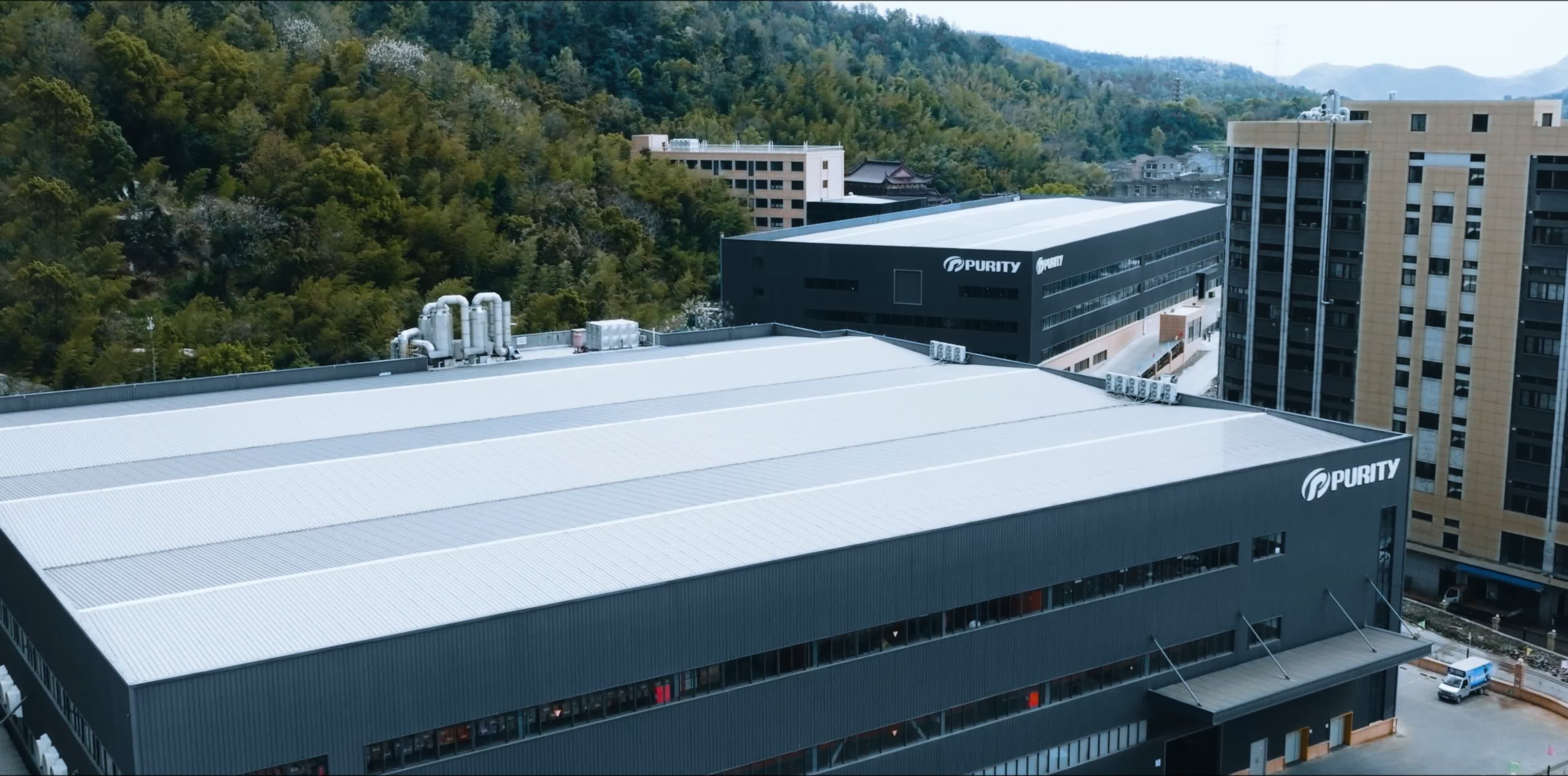
Picture|Purity Factory
Each type of fire protection pump serves a different purpose. Horizontal split case pumps are suitable for high-flow applications, vertical inline pumps save installation space, vertical turbine pumps serve low-level water sources, and end suction pumps offer a relatively simple structure. Meanwhile, fire jockey pumps maintain system pressure and support the readiness of the main fire pump.
Understanding these differences helps project professionals select reliable equipment based on flow, pressure, water source, and installation conditions.
Centrifugal fire pumps are widely used in water-based fire protection systems. Common designs include horizontal split case, vertical inline, vertical turbine, and end suction pumps.
A horizontal split case fire pump has a split casing that allows easier access to internal components. An end suction pump has a simpler casing design, with water entering through one end.
A fire jockey pump maintains pipeline pressure by compensating for minor water losses, helping prevent unnecessary starts of the main fire pump.
It is commonly used when the water source is below the pump installation level, such as in underground tanks, deep wells, or low-level reservoirs.