PRODUCTS SEARCH
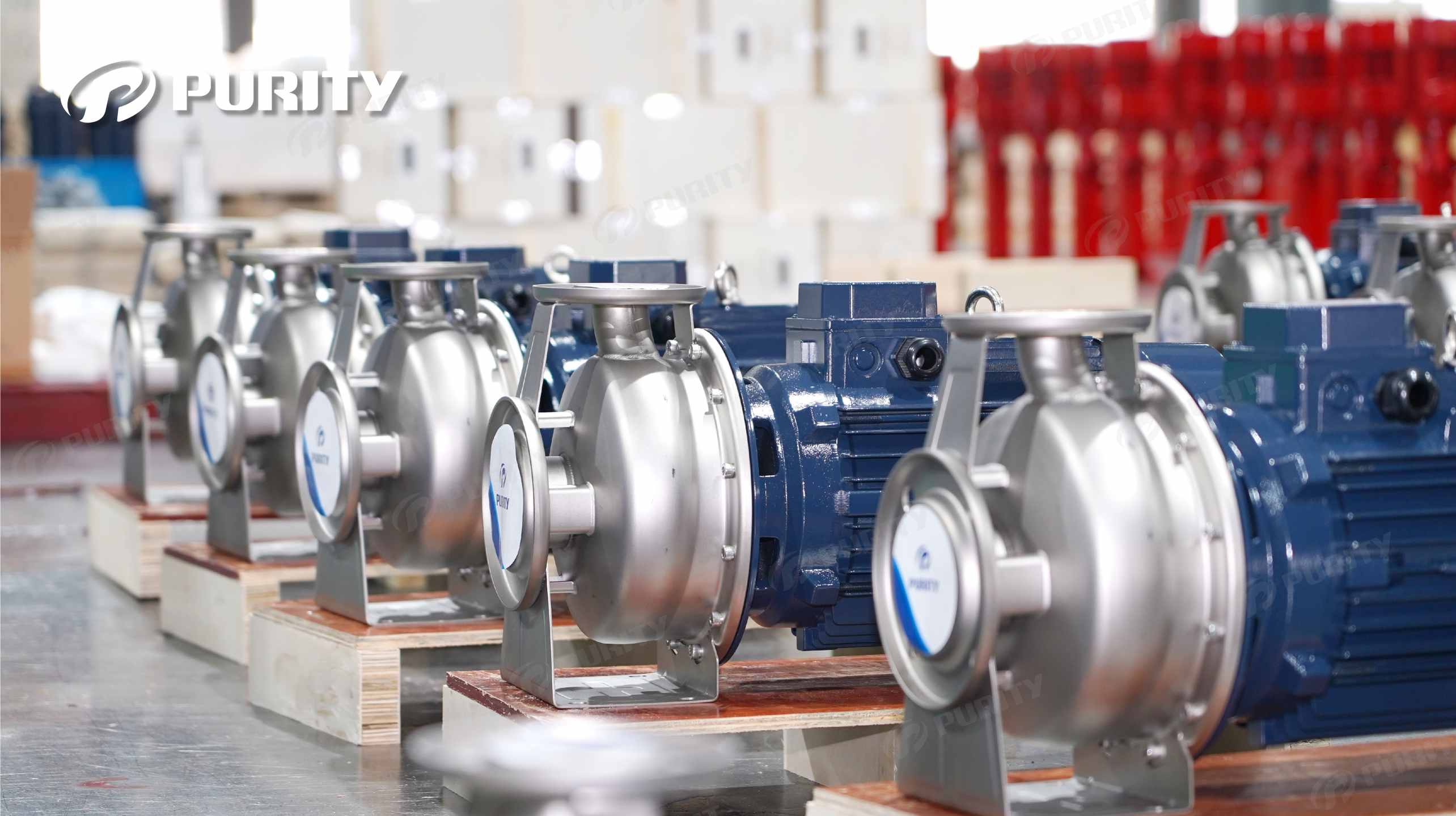
Picture|Purity Stainless Steel Centrifugal Pump PZ
A stainless steel centrifugal pump can handle various liquids, including clean water, selected chemicals, food and beverage fluids, and low-viscosity industrial liquids. Its suitability depends on the stainless steel grade, liquid composition, temperature, viscosity, and solid content.
Although stainless steel offers good corrosion resistance, it is not suitable for every liquid or operating condition. Proper material selection is essential for reliable pump operation.
Depending on its material and design, a centrifugal stainless steel pump can be used in several applications.
Clean water is one of the most common applications. These pumps are widely used in:
(1) Industrial and commercial water supply
(2) Building water supply systems
(3) Water treatment equipment
(4) HVAC and cooling circulation
(5) Agricultural irrigation
SS304 is commonly used for general fresh water applications. Water quality and chloride concentration should also be considered.
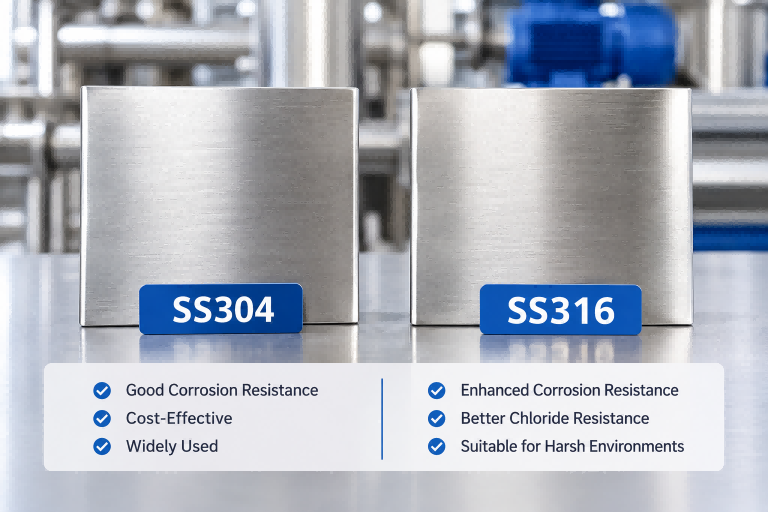
SS316 generally offers better resistance to pitting and chloride corrosion than SS304. However, neither grade is suitable for every chemical. Hydrochloric acid, for example, can severely corrode conventional stainless steel.
Always check liquid composition, concentration, temperature, and seal compatibility before selecting a pump.
Stainless steel pumps are used in food and beverage processing, including the transfer of milk, fruit juice, edible oils, and other liquid ingredients.
They are also used in selected pharmaceutical processes, such as purified water circulation and equipment cleaning.
However, hygienic and high-purity applications require additional considerations, including surface finish, sealing structure, cleanability, and relevant industry standards. A standard industrial pump should not automatically be considered sanitary-grade.
Stainless steel pumps may be used in certain marine and water treatment applications. However, chloride ions in seawater can cause pitting and crevice corrosion.
SS316 generally performs better than SS304 in chloride-containing environments, but it is not immune to seawater corrosion. Duplex stainless steel or specialized materials may be more suitable for continuous seawater service.
A stainless steel centrifugal pump can handle certain low-viscosity oils, compatible solvents, and industrial process liquids.
As viscosity increases, pump flow and efficiency may decrease while power requirements rise. Positive displacement pumps may be a better choice for heavy oils and other highly viscous fluids.
Standard stainless steel centrifugal pumps may not be suitable for:
(1) Highly corrosive chemicals: Certain strong acids and concentrated solutions can damage stainless steel.
(2) Abrasive liquids: Sand and hard particles can accelerate impeller and casing wear.
(3) Highly viscous liquids: Thick fluids may reduce pump efficiency and performance.
(4) Liquids with large solids: Oversized particles may cause blockage or excessive wear.
Special materials, impeller designs, or alternative pump technologies may be required.
Before purchasing a pump, evaluate these six factors:
(1) Liquid composition: Identify chemical properties and corrosiveness.
(2) Operating temperature: Check the limits of the pump and sealing materials.
(3) Viscosity: Confirm that the liquid is suitable for centrifugal pumping.
(4) Solid content: Consider particle size, concentration, and abrasiveness.
(5) Flow rate and head: Calculate the system's required flow and total dynamic head.
(6) Material compatibility: Ensure all wetted components are suitable for the liquid.
Proper selection helps improve reliability, reduce maintenance, and extend service life.
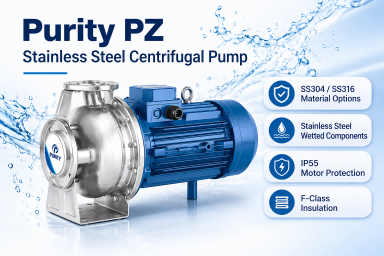
Picture|Purity Stainless Steel Centrifugal Pump PZ
For industrial users, Purity PZ series pumps offer practical material and specification options.
Key features include:
(1) SS304 and SS316 options for different application requirements.
(2) Stainless steel wetted components for reliable fluid transfer.
(3) IP55 motor protection against dust and water exposure under specified conditions.
(4) F-class insulation to support reliable motor operation.
(5) Multiple models and specifications for different flow and head requirements.
(6) CE-certified models, subject to the applicable certificate coverage.
Always confirm liquid compatibility before selecting a pump.

Our capabilities include:
(1) 60,000 m² of independently owned factory space
(2) 320+ employees
(3) Annual production of 150,000+ pumps
(4) A portfolio covering centrifugal, fire, sewage, and water supply pumps
(5) Business coverage across 140+ countries and regions
Purity focuses on product quality, customer needs, and professional service. We are also seeking distributors and agents worldwide.
If you are looking for an industrial stainless steel centrifugal pump supplier, contact Purity to discuss your requirements.
Stainless steel centrifugal pumps can handle clean water, selected chemicals, food and beverage fluids, and certain industrial liquids. However, the right choice depends on liquid properties, material compatibility, and operating conditions.
Contact Purity to explore our PZ stainless steel centrifugal pump options or discuss becoming a global distributor.
1. Can a stainless steel centrifugal pump handle chemicals?
Yes, provided the stainless steel grade and sealing materials are compatible with the chemical, its concentration, and temperature.
2. Is SS304 or SS316 better?
SS316 generally offers better resistance to pitting and chloride corrosion, while SS304 is commonly used for general fresh water applications.
3. Can a stainless steel centrifugal pump handle seawater?
Some models can serve specific seawater applications, but prolonged chloride exposure may cause corrosion. Specialized materials may be needed.
4. Can it transfer oil?
Yes. It can handle certain low-viscosity oils if the pump materials and seals are compatible. Highly viscous oils may require positive displacement pumps.
5. What should I consider when selecting a pump?
Consider liquid composition, temperature, viscosity, solid content, required flow rate, head, and material compatibility